ISSEY MIYAKE SPRING SUMMER 2025 COLLECTION “The Beauty of Paper” “On Kamiko”
Exhibitions
- Client
- ISSEY MIYAKE INC.
- Location
- Parc floral de Paris, ISSEY MIYAKE GINZA / 445, ISSEY MIYAKE SEMBA
- Period
- Sep 2024, Jan 2025
- —
- Paper factory
- Awagami Factory
- Manufacturer
- Yashu Hemp Factory
- Architect
- Studio Hashimura LLC
- Construction
- HIGURE 17-15 cas Co., Ltd.
- Movie
- Noriaki Okamoto
- Photo
- Daisuke Shima photography
Since designer Issey Miyake presented his first collection in 1971, ISSEY MIYAKE has been designing and making clothing that explores the relationship — the ease and ma (the unfilled space) — between the wearer’s body and the fabric of the wear, which is founded upon the brand’s unwavering approach to the concept of a piece of cloth,, thereby developing clothing that is universal and unbound by the Western vs. Eastern conventions of clothing design. Today, the brand continues to engage in research that begins with developing yarn from which original fabrics are created. Since the spring summer 2020 season, the brand is directed by designer Satoshi Kondo, in pursuit of iterations of an aesthetic that relates the wearer’s body to the wear, for the richness that appeals to people’s senses and everyday life.
Since the appointment of Satoshi Kondo as designer in 2019, centre Inc. has been working together on various design projects, drawing on its expertise in graphic design.
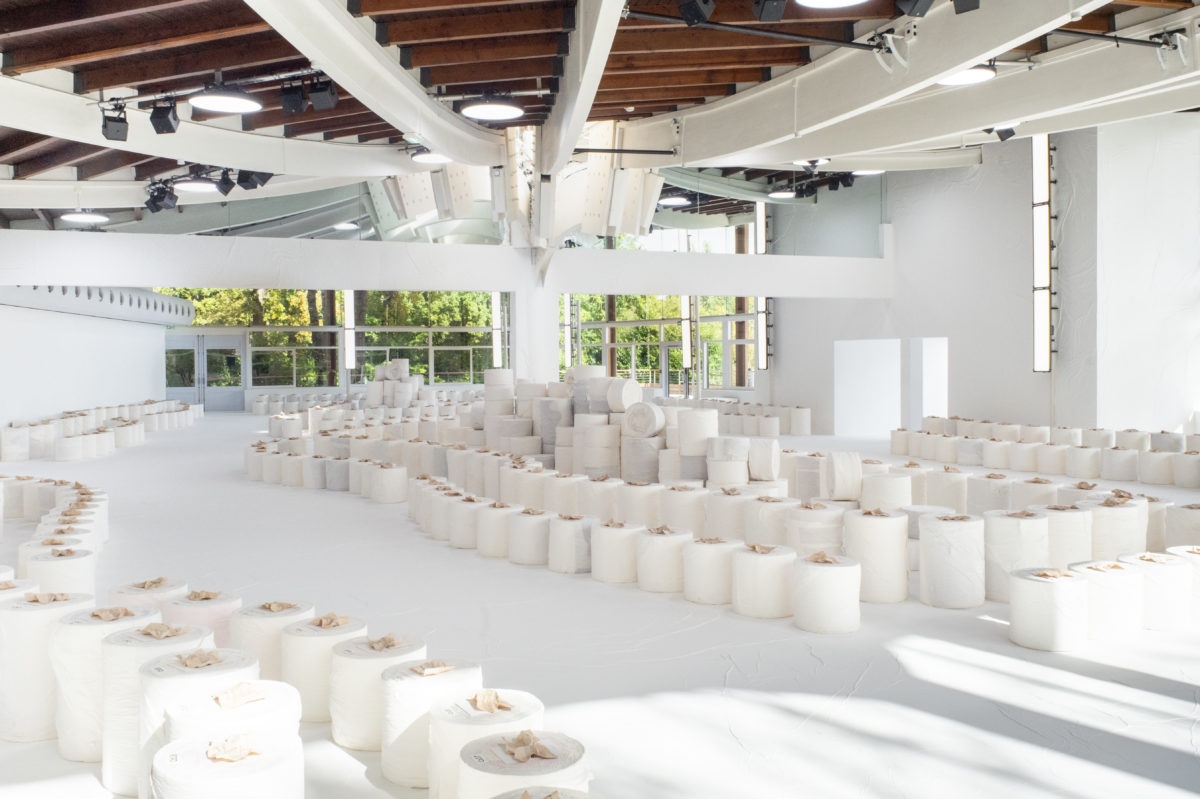
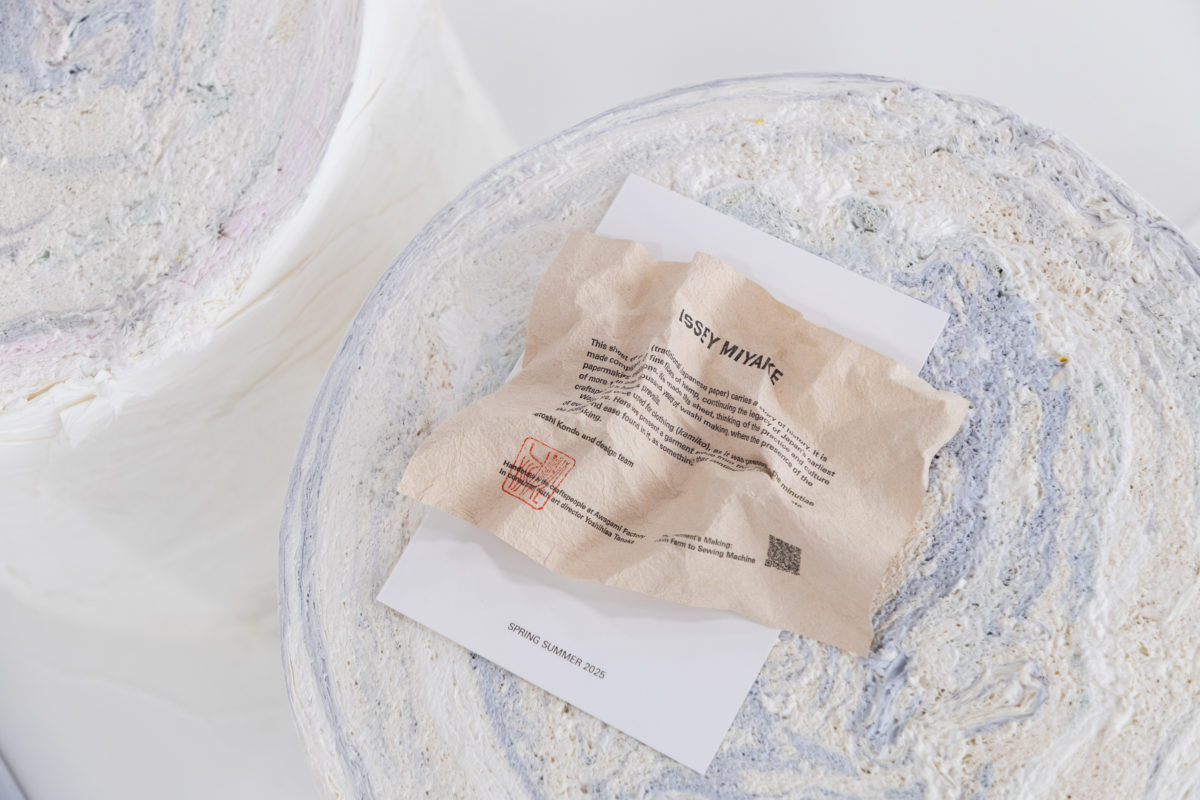
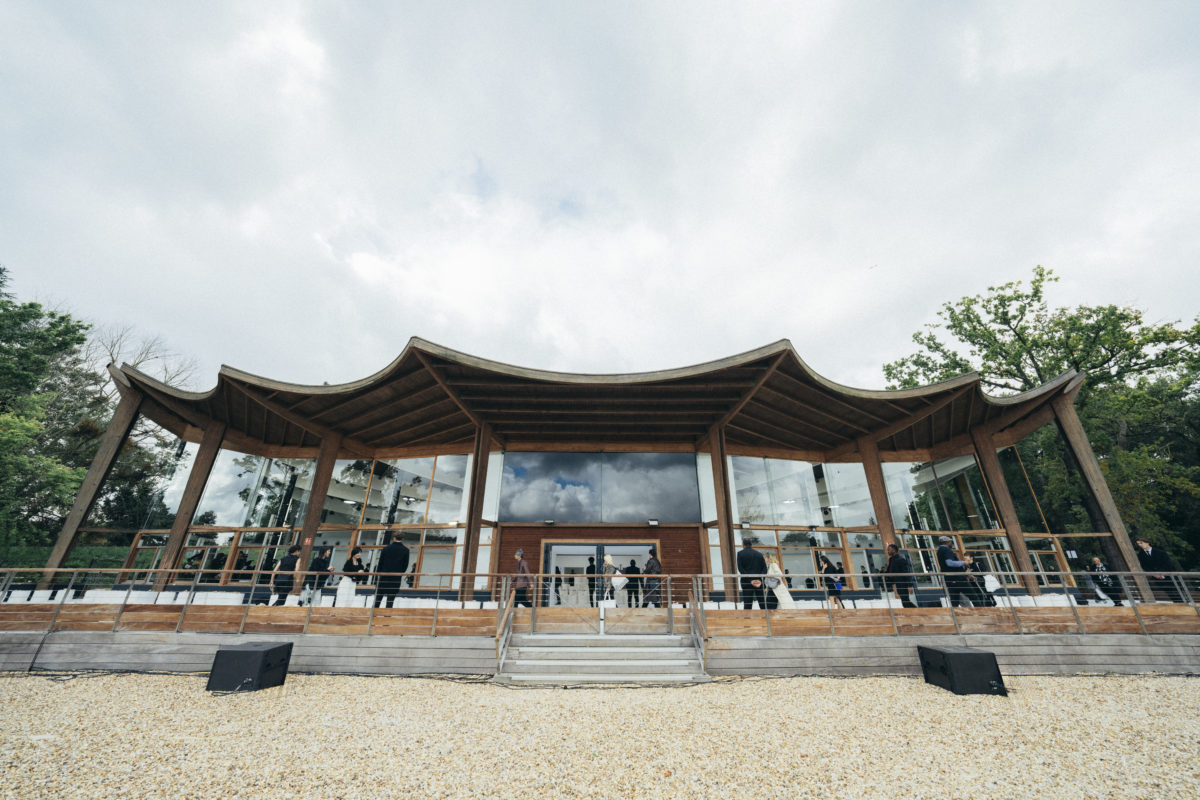
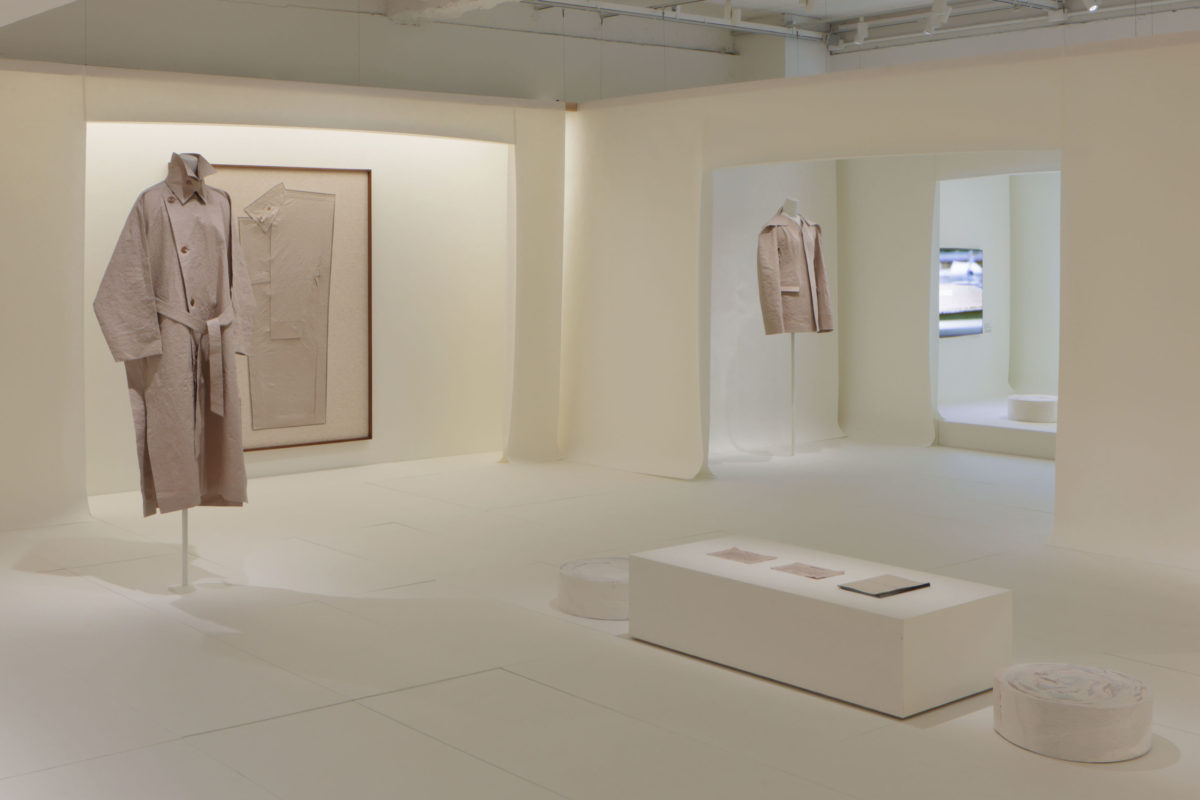
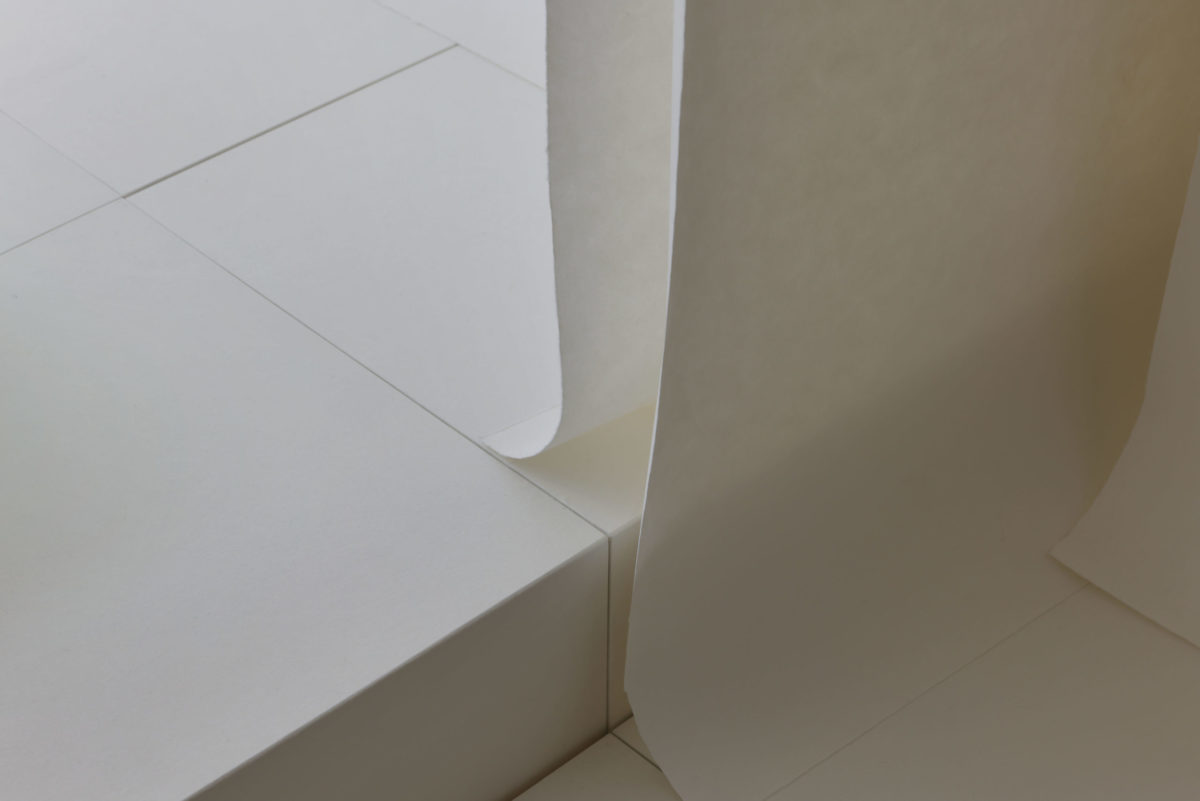
ISSEY MIYAKE SPRING SUMMER 2025 COLLECTION at Parc floral de Paris – Installation view
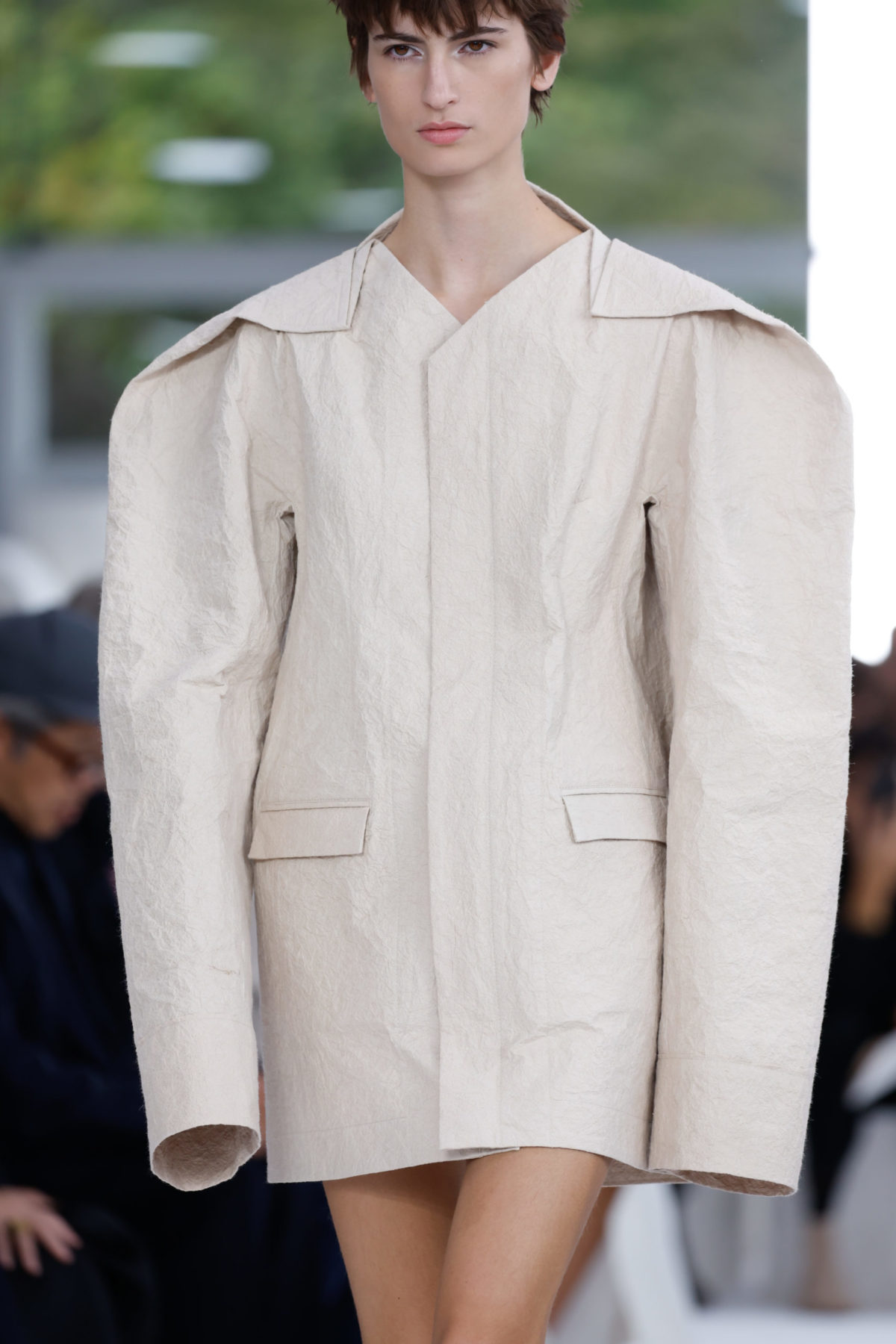
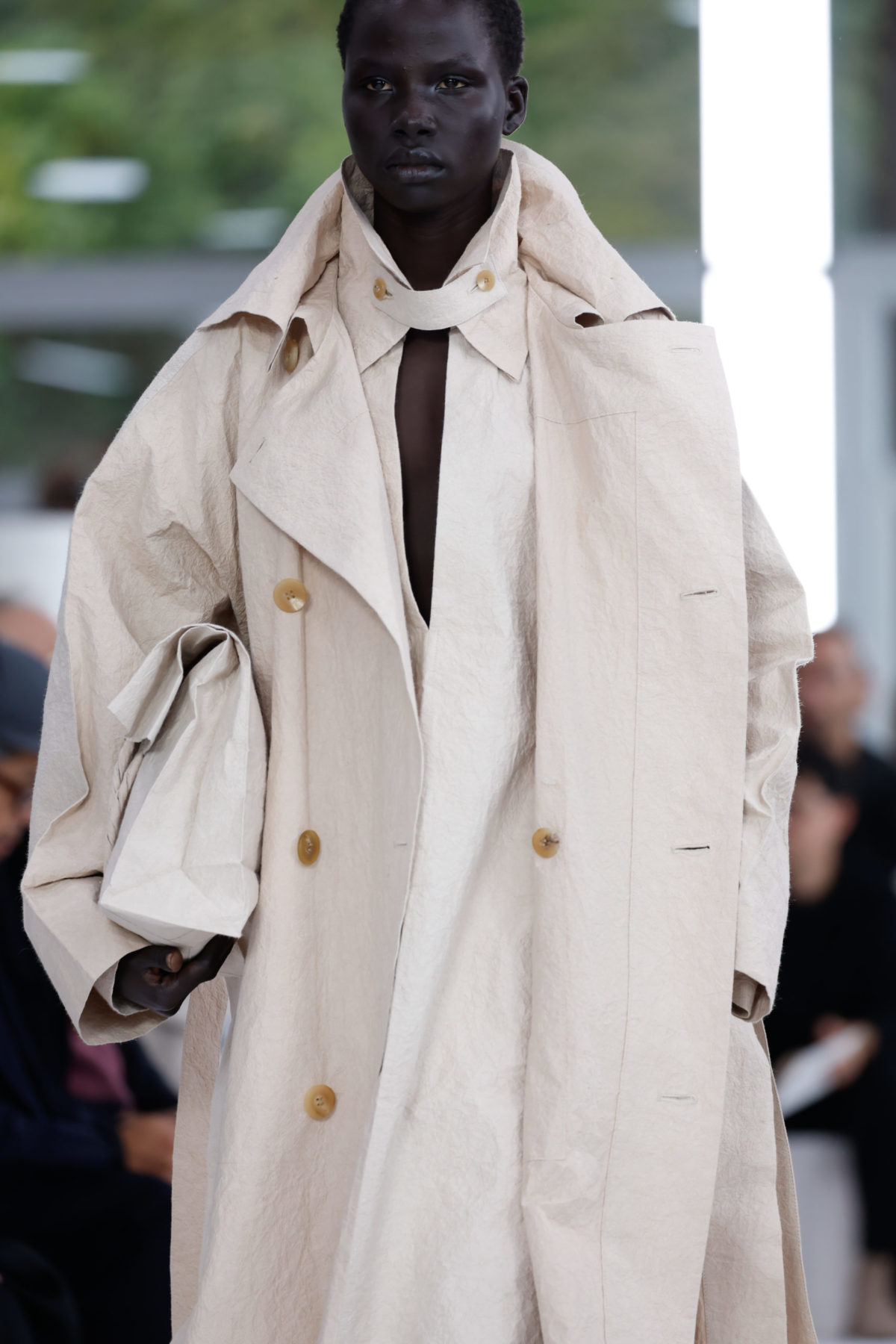
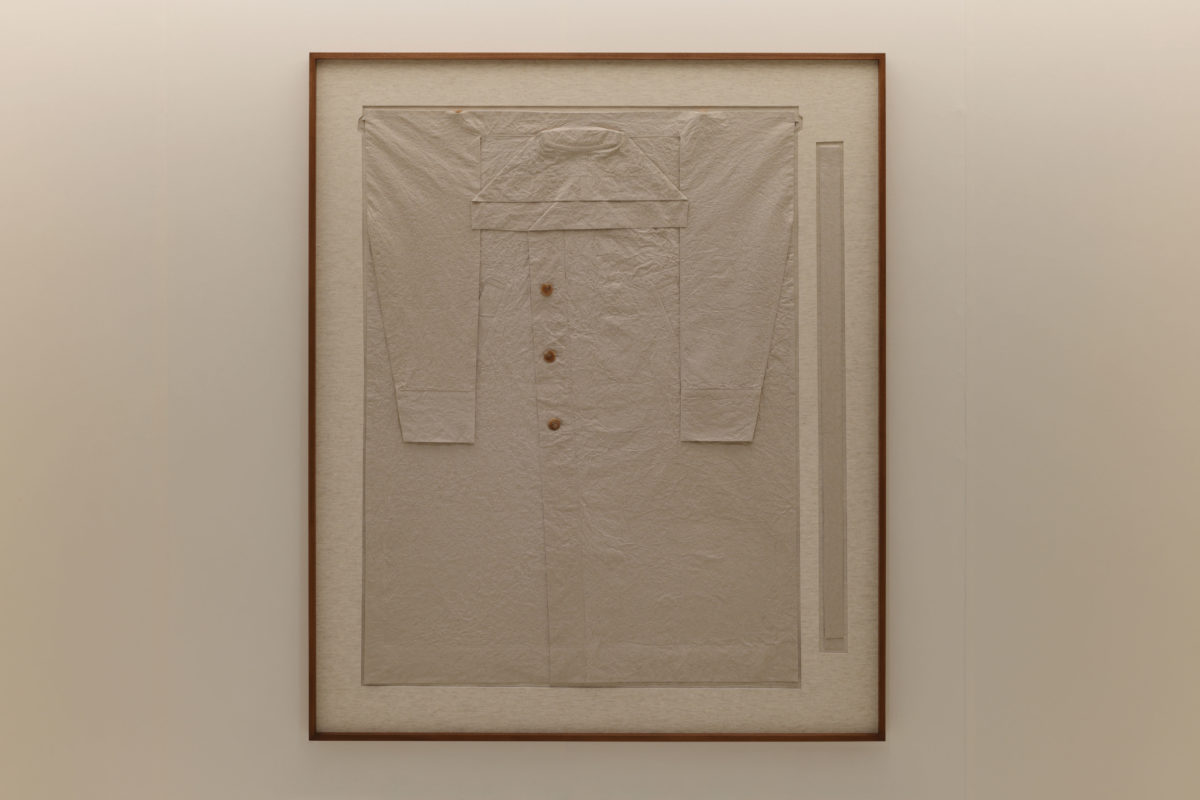
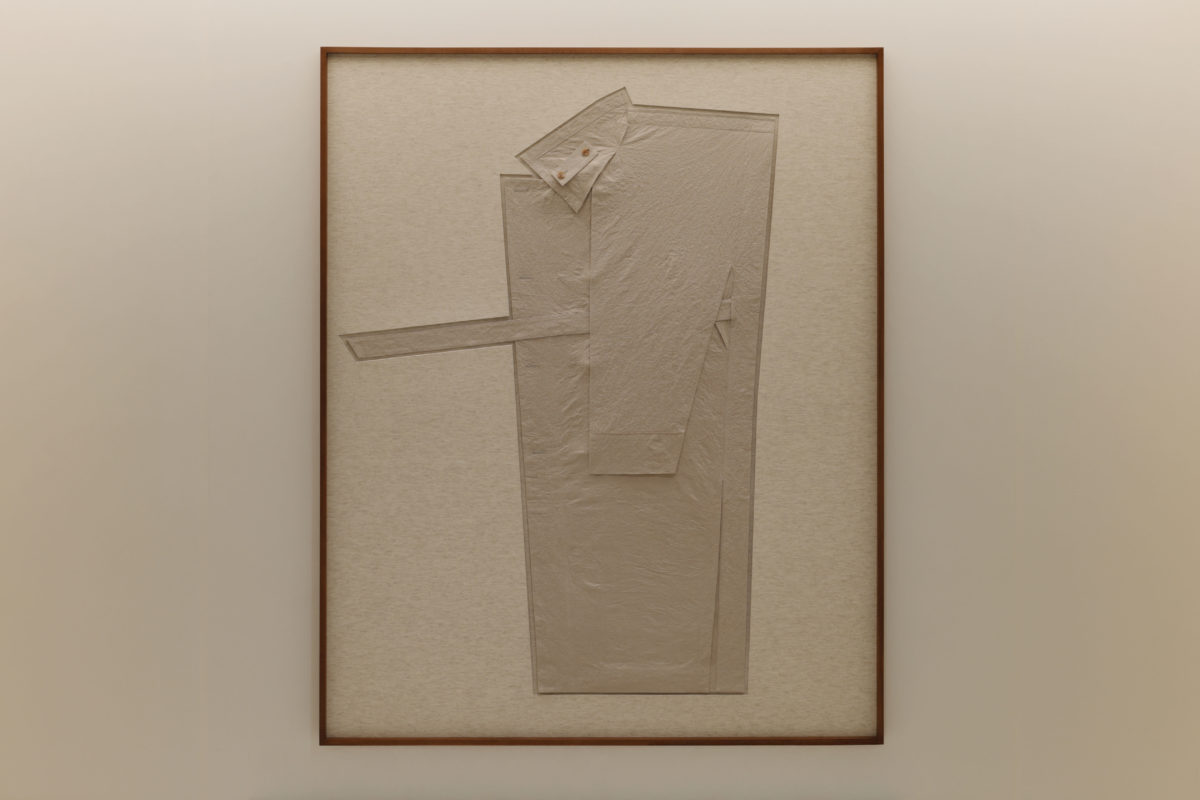
ISSEY MIYAKE, the fashion brand, presented “Kamiko” — garments made of paper — in its Spring / Summer 2025 collection, developed in collaboration with centre Inc. The project explored washi, traditional Japanese paper made from hemp fibers, reflecting the intersection of ancient craft traditions and contemporary design.
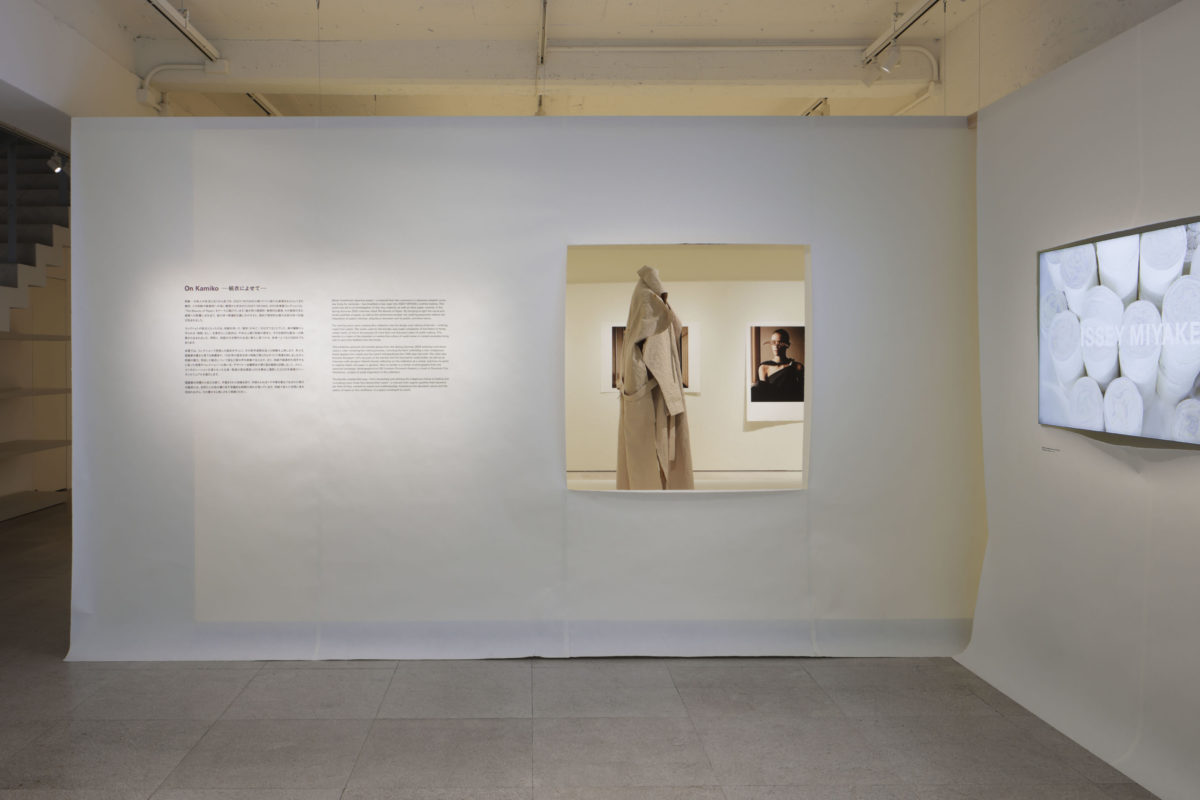
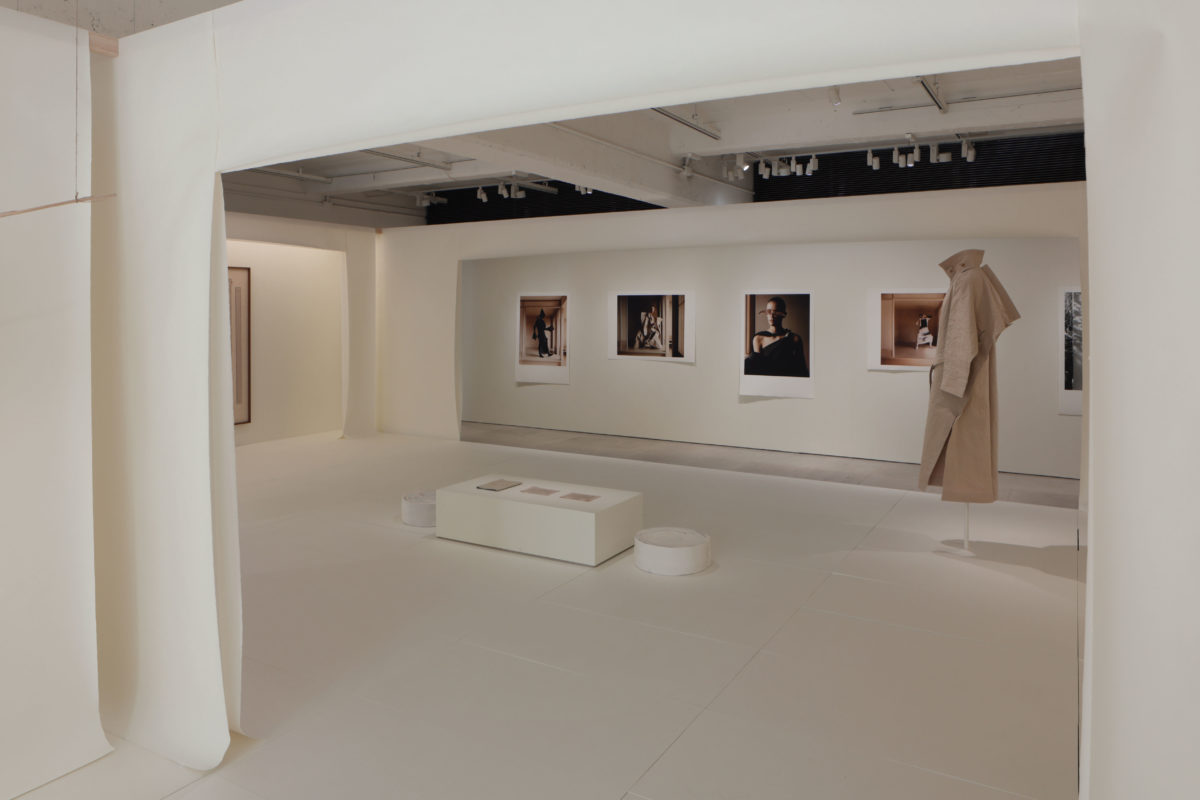
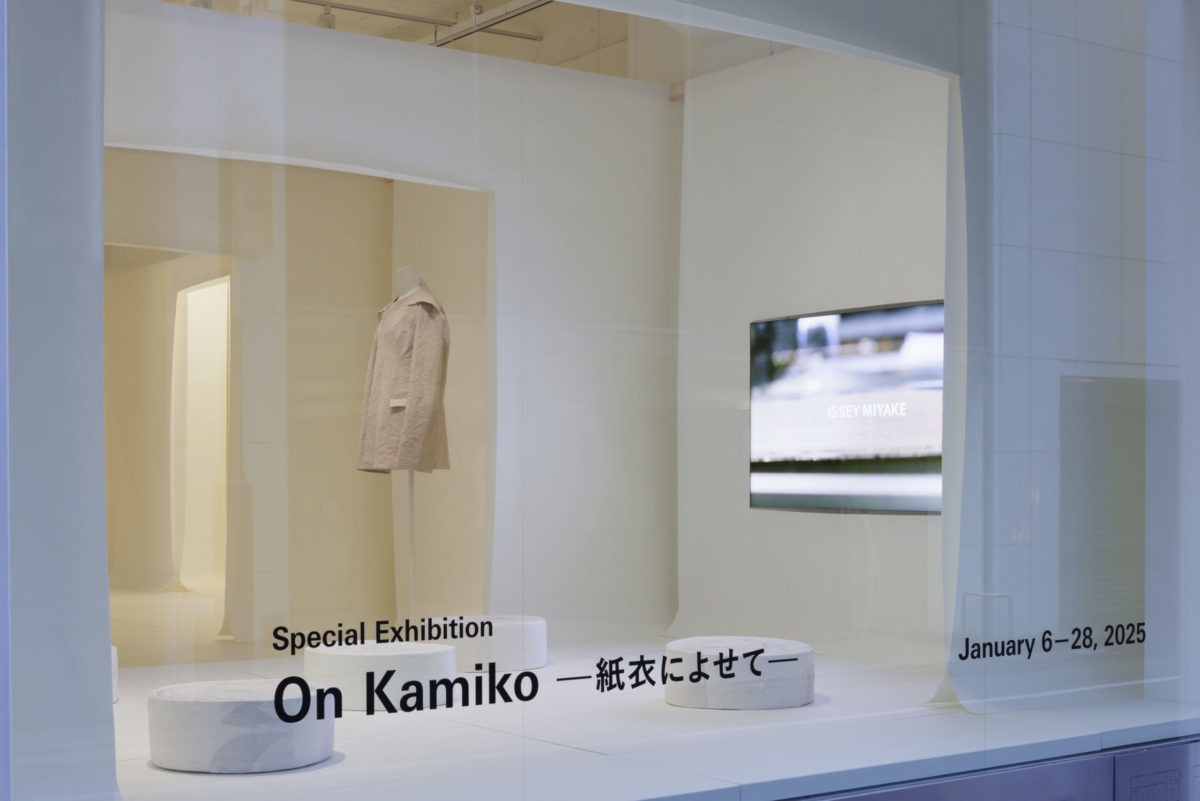
Born from a profound engagement with washi and paper-based materials, the ISSEY MIYAKE Spring / Summer 2025 collection embraced the theme The Beauty of Paper. It focused on the visual and tactile qualities of paper, and on how these qualities affect human emotions, resulting in clothing that embodies both the universal familiarity of paper and its poetic, primal allure. At the heart of the collection was “Kamiko,” a garment crafted from hemp paper. By creating hemp paper in the present day, centre Inc. resonated with ISSEY MIYAKE’s vision, exploring how reverence for traditional techniques could inform contemporary design while also seeking ways to transmit the culture of washi across time. Complementing the collection, the special exhibition On Kamiko — Dedicated to Paper Garments at ISSEY MIYAKE GINZA CUBE presented not only the garments but also the cultural background and processes behind washi-making.


ISSEY MIYAKE SPRING SUMMER 2025 COLLECTION at Parc floral de Paris
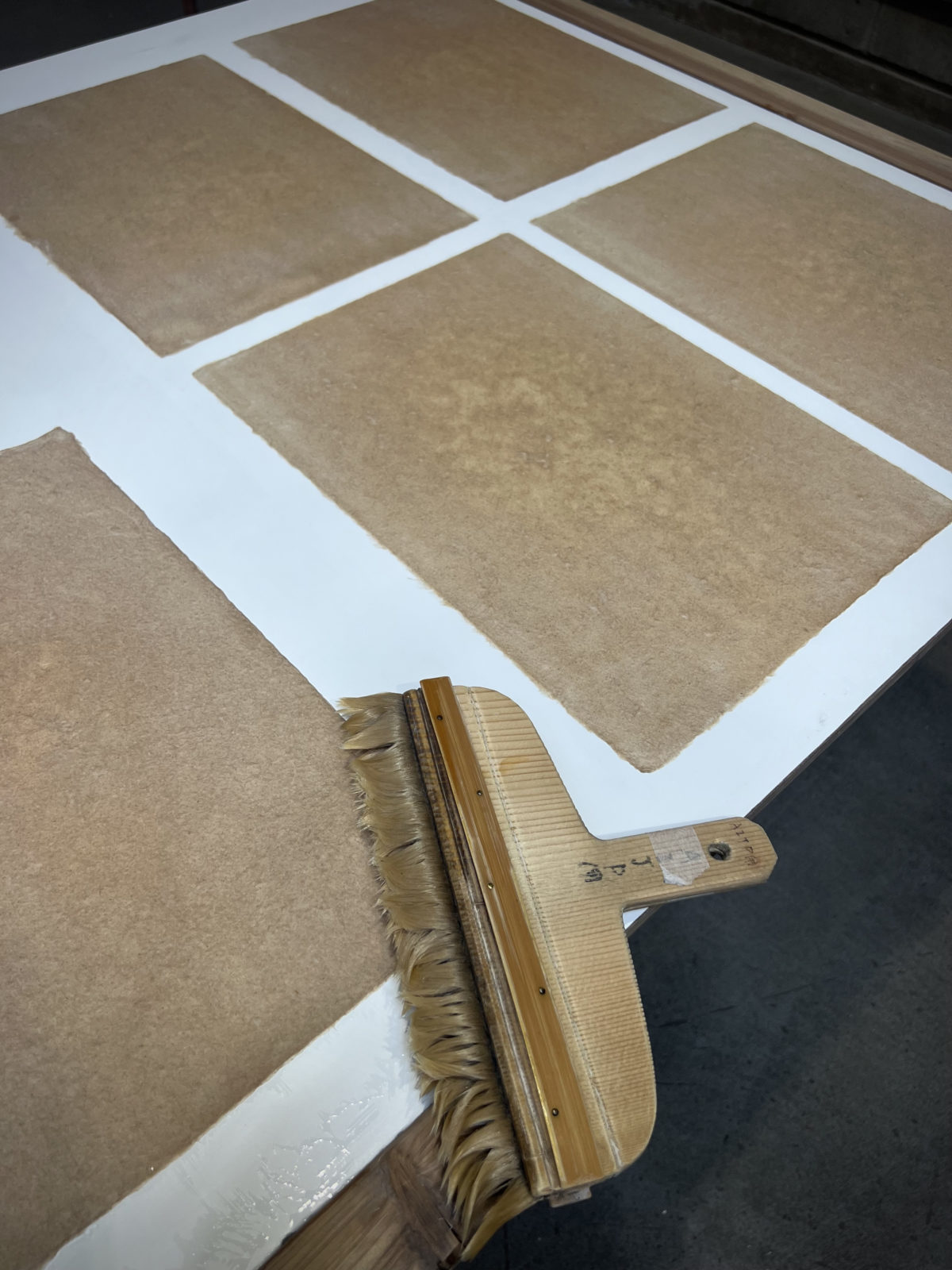
Drawing on eight years of washi research, centre Inc. investigated hemp cultivation and developed materials based on hemp paper, which formed the core of the collection. These findings expanded into graphic design and installation works. Collaborations with domestic hemp farmers cultivating from seed, and with washi ateliers sustaining traditions for over 1,300 years, underscored the role of heritage knowledge in shaping a vision of mutual respect between humans and the natural environment.

ISSEY MIYAKE SPRING SUMMER 2025 COLLECTION at Parc floral de Paris
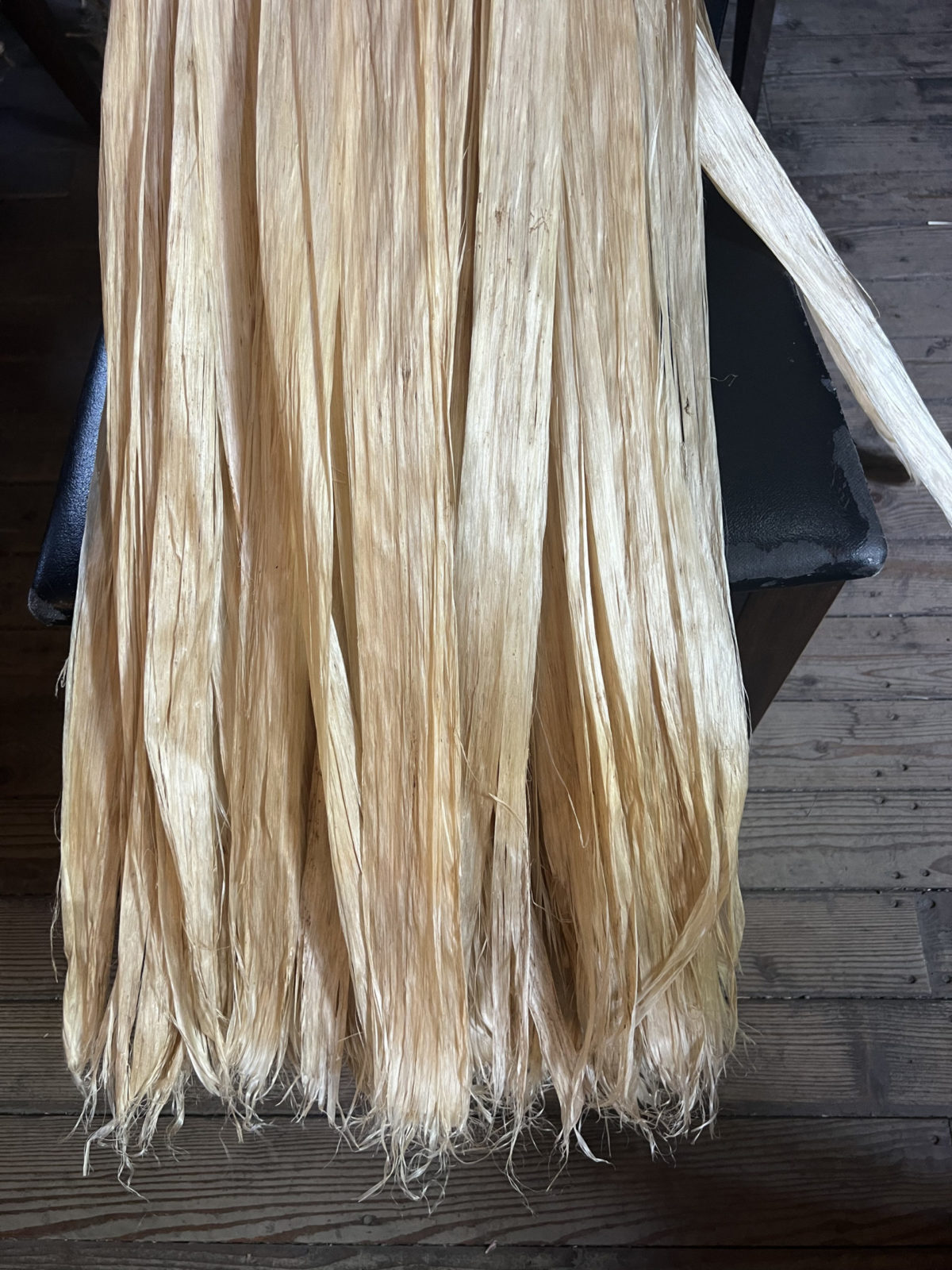
Because washi is made from bast fibers — the softened inner bark of plants — it is both highly durable and flexible, with exceptional preservability said to last for over a millennium. Supported by the handcraft of regional ateliers working in harmony with their natural surroundings, washi has been deeply rooted in Japanese culture. Hemp paper is considered the earliest form of paper in Japan, originally made from scraps of hemp cloth and old fishing nets. Among plant fibers, hemp is remarkably strong and durable, which is why even today, the Daijōsai (the enthronement ritual of the Emperor) prescribes garments of hemp cloth (aratae). For this project, hemp paper was produced from hemp grown under special permission for limited uses such as rituals and festivals. The raw material came from Yashu Washi Studio in Tochigi, Japan’s largest hemp-growing region, and Awagami Factory in Tokushima, renowned for producing hemp for the aratae. Designed in collaboration with ISSEY MIYAKE — known for its innovative methods recognized worldwide — the washi garments were conceived not only as fashion but also as a means of learning and fostering community participation. At a time of deepening environmental and energy crises, this washi highlights the sustainable potential of renewable plant-based resources, offering an alternative to the extractive consumption of underground resources.
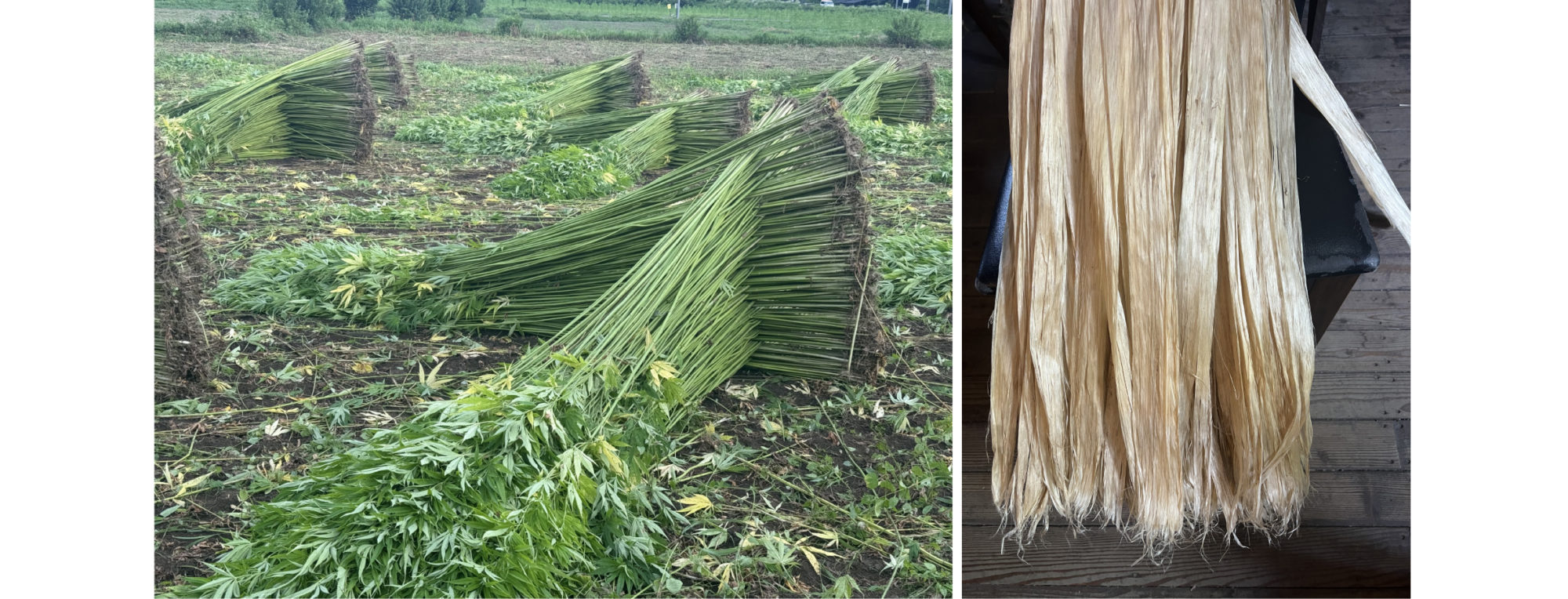
Yashu Hemp Factory, Harvest time
The collaboration between ISSEY MIYAKE and washi traces back to 1982, when the brand presented Kamiko at the Paris Collection, using Shiroishi washi. Its durability is attested by its adoption by the monks of Tōdaiji during their two-week-long ritual practices. ISSEY MIYAKE’s philosophy of clothing is encapsulated in the phrase “a piece of cloth,” a concept that transcends East and West to examine, from its foundation, the relationship between the human body and the fabric that envelops it, along with the space and freedom created in between. This pursuit, combined with research into paper as a material from its very origin, culminated in the new hemp-paper Kamiko. Like the tatōgami paper used for storing kimono, these garments embody the uniquely Japanese aesthetic of folding into beautiful planar forms while uniting functionality with contemporary design.


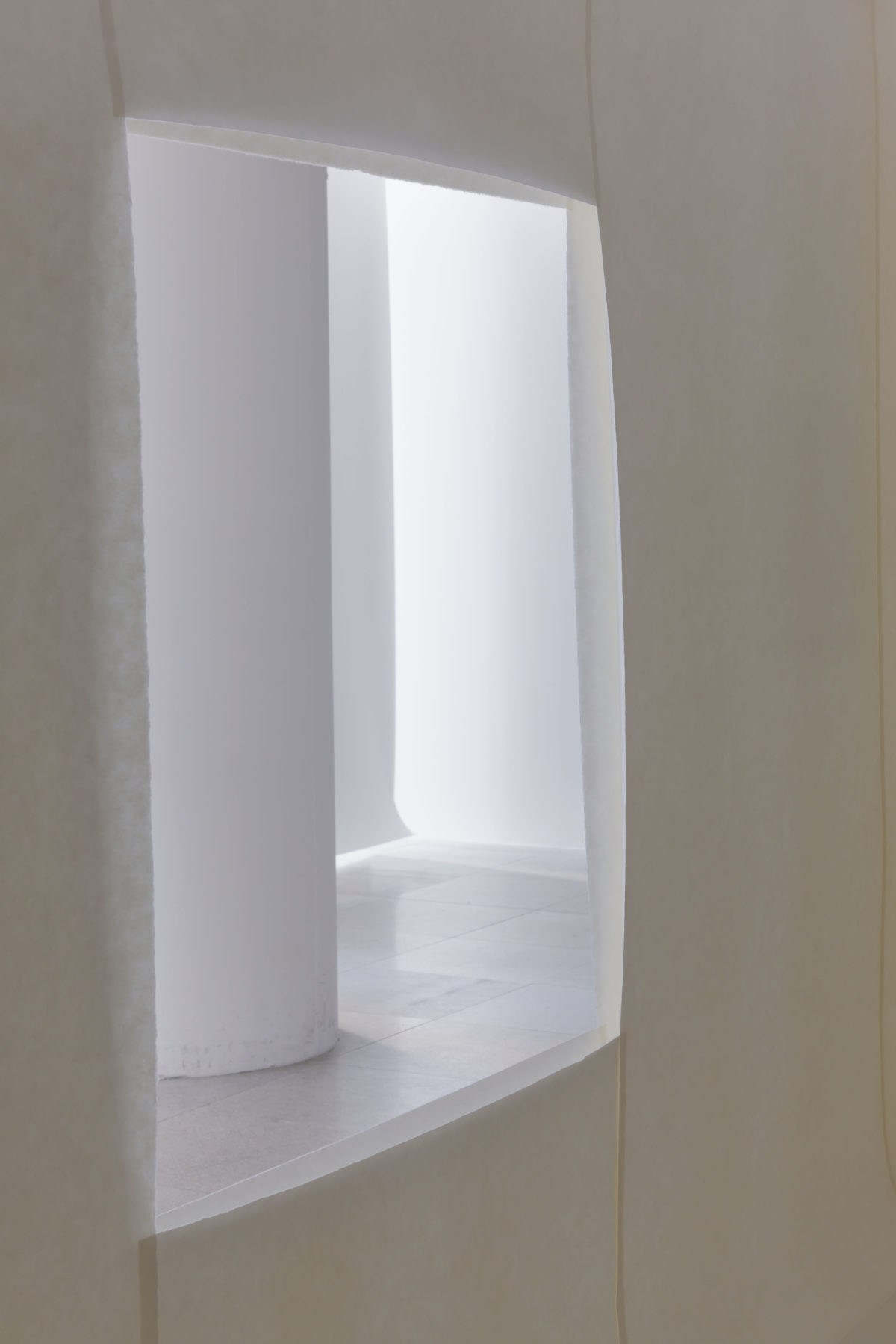
ISSEY MIYAKE “On Kamiko” at ISSEY MIYAKE GINZA / 445 – Installation view

ISSEY MIYAKE “On Kamiko” at ISSEY MIYAKE GINZA / 445 – CUBE facade
Addendum
—
ISSEY MIYAKE SPRING SUMMER 2025 COLLECTION
Parc floral de Paris
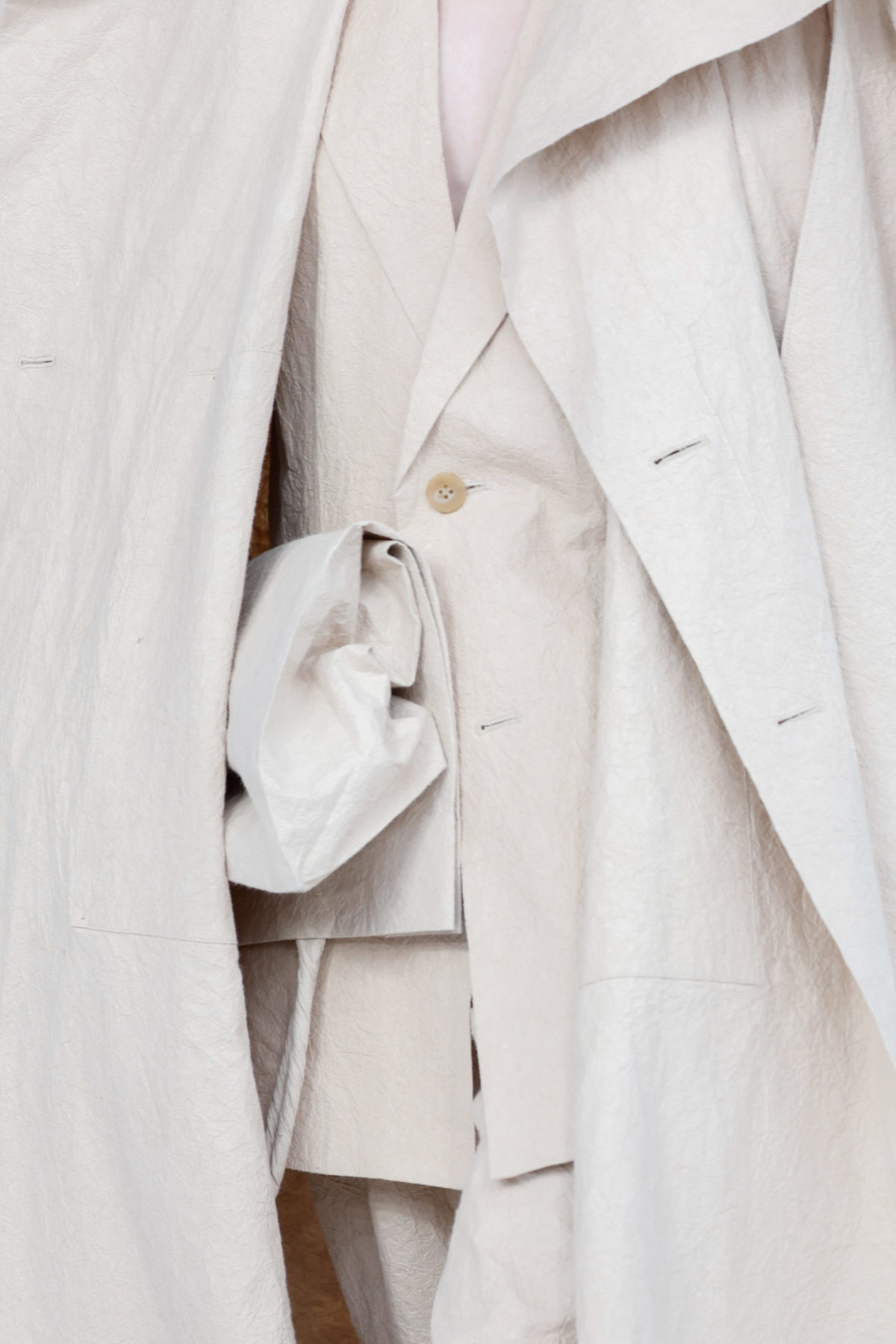


ISSEY MIYAKE “On Kamiko”
ISSEY MIYAKE GINZA / 445 – CUBE facade




Yashu Hemp Factory, Harvest time, Tochigi
Awagami Factory, Tokushima





more Exhibitions, Products, Research

ASAMA INTERNATIONAL PHOTO FESTIVAL PHOTO MIYOTA 2023
- Client
- Asama International Photo Festival Executive Committee
- Curator
- Mutsuko Ota, Ivan Vartanian
- Art Direction
- Yoshihisa Tanaka
- Design
- Kana Furusho
- Period
- Jul 2023 – Sep 2023
- Photo
- Machiya Sato, Sonoko Senuma
HOMME PLISSÉ ISSEY MIYAKE 10 YEARS OF DESIGN AND MAKING
- Client
- ISSEY MIYAKE INC.
- Design
- Yoshihisa Tanaka, Yoshiko Tanigawa
- Location
- Tokyo
- Period
- Nov 2023
- Photo
- Keiji Okubo

The Future of Artisanal Beauty Vessels Wrappings Decorations
- Client
- The Executive Committee for Art Kogei, from Japan to the World
- Venue
- TERRADA ART COMPLEX Ⅱ BONDED GALLERY
- Art Direction
- Yoshihisa Tanaka
- Design
- Misaki Nishikura, Taiki Murakami
- Period
- July 2024

ISSEYMIYAKE SPRING SUMMER 2024 Grasping the Formless
- Client
- ISSEY MIYAKE INC.
- Director
- Kondo Satoshi
- Installation concept and design
- Yoshihisa Tanaka, Yoshiko Tanigawa
- Music creation and interpretation
- Ictus Ensemble
- Choreography and staging
- Némo Flouret
- Styling
- Brian Molloy
- Sound design
- Ofer Smilansky
- Casting
- Midland Casting
- Set design
- Jean-Philippe
- Paper factory
- Awagami Factory
- Production
- Back of the House
- Performers
- Hugo Abraham (double bass), Chryssi Dimitriou (flute), Synne Elve Enoksen, Audrey Merilus, Jean-Luc Plouvier (keyboard), Jean-Baptiste Portier, Margarida Ramalhete, Primož Sukič (guitars), Aure Wachter
- Location
- Paris
- Period
- Sep 2023
- Runway looks
- Frédérique Dumoulin-Bonnet
- Details / Show images
- Olivier Baco